






The Havanese is a small, sturdy dog breed that’s quickly becoming a favorite among dog lovers across the United States. Known for their affectionate nature, silky coats, and gentle temperament, Havanese dogs are wonderful companions for families, singles, and those living in apartments. If you’re considering adding a Havanese puppy to your home, it’s essential to understand this toy breed’s unique characteristics and care needs. Here’s everything you need to know about the Havanese dog breed to help you make an informed decision.
Havanese History and Origin
The Havanese has a fascinating history rooted in Cuba, where the breed developed after Cubans fled Spain centuries ago, bringing small companion dogs with them. These early dogs descended from the Spanish Tenerife dog, part of the entire Bichon family, which also includes the Bichon Frise and Maltese.
When the breed reached Havana, they became beloved by Cuban aristocrats and were later nicknamed the “Havana Silk Dog” or “Spanish Silk Poodle.” Recognized by the American Kennel Club (AKC), the Havanese remains a symbol of Cuban pride and charm.
Physical Characteristics
The Havanese dog stands out for its floppy ears, dark brown eyes, and luxurious long coat that requires regular grooming to keep it healthy. With their small size, Havanese dogs are ideal for apartment living and have a reputation for being a great house dog. Despite their small breed status, they are sturdy and adaptable, making them suitable for various environments.
Their affectionate nature makes them fantastic lap dogs, and they are particularly loved by families with children and other pets. Havanese dogs also have a great sense of humor, often displaying comic instincts and proving themselves to be natural trick dogs with a tendency to make you laugh.
Size and Build
As a small breed dog, Havanese are compact and sturdy so they’re perfect for apartment living or homes of any size. Despite being small they are energetic and require daily exercise and playtime. Like many small dogs they can get overindulged because of their size which can lead to health issues like obesity so careful handling and balanced diet is a must.

Temperament and Personality
If you want a loving, gentle, and smart companion, the Havanese fits perfectly. They are trainable extroverts who adore meeting new people and other dogs. Known for their affectionate and eager-to-please personality, they thrive on human attention and often prefer to be lap dogs.
However, this people-loving trait means they can be prone to separation anxiety if left alone too long. Keeping them busy with interactive toys or gentle activities helps prevent boredom and barking.
FUNNYFUZZY Limited Edition Toy Box

€34,95
Unbox a world of joy with the FUNNYFUZZY Limited Edition Toy Box—where play meets collection. Each piece is more than a toy, it’s a surprise crafted for wagging tails, happy paws, and heartwarming memories. Whether displayed or played with, it’s… read more
Their natural trick dog abilities make them easy to train—perfect for families who enjoy teaching their dog cute tricks.
Health and Common Conditions
The Havanese is generally healthy and has a life expectancy of 14–16 years. However, like other small breeds, they can be predisposed to certain genetic conditions.
Common issues include:
Patellar Luxation: A common knee problem in small breeds. Regular checkups and maintaining a healthy weight can reduce the risk.
Heart Murmurs: These may develop with age—annual vet visits are important for early detection.
Skin Allergies: Sensitive skin requires gentle grooming and balanced nutrition. Use mild, hypoallergenic shampoo.
Hip Dysplasia (rare): Avoid frequent jumping from high furniture to protect the hips and legs.
Dental Problems: Brush teeth weekly and schedule professional cleanings.
The Havanese Puppy: A Joyful Addition to Your Family
Bringing a Havanese puppy into your home is a joyous experience. At a young age, Havanese puppies develop their happy dog personalities and are easy to potty train. Their small size and easy-to-train nature make them great for beginners and households with other pets. Just be sure to get your Havanese puppy from reputable breeders who offer health clearances to ensure the puppy’s parents are free from common health conditions.
These puppies grow into generally healthy adults but, like all dogs, may be prone to some health problems such as patellar luxation or dental disease. Havanese owners should ensure that they provide a complete and balanced diet to avoid weight gain and maintain their puppy’s energy levels and overall well-being.
Health and Lifespan
Havanese dogs are a generally healthy breed with a lifespan of 14 to 16 years. However, like all dog breeds, they can be prone to certain health conditions. Potential health issues include hip dysplasia, patellar luxation, and specific inherited diseases such as eye disorders. To ensure your dog remains healthy, regular veterinary check-ups and monitoring for signs of dental disease are essential.
Health Clearances
Before purchasing a Havanese puppy from a breeder, make sure the breeder provides health clearances for both the puppy's parents. Reputable breeders should screen for common hereditary conditions.
Caring for Your Havanese
Diet and Nutrition
A complete and balanced diet is a must for a happy and healthy Havanese. Choose a high quality dog food for small breeds to prevent weight gain and maintain overall health. Monitor their portions and give healthy treats in moderation.
Grooming and Maintenance
Their silky coat needs to be brushed frequently to avoid tangles. Many Havanese owners opt for a puppy cut for easier maintenance. Visit a professional groomer every few months to keep their coat healthy and shiny.
Exercise and Training
Though they are a toy breed Havanese dogs have lots of energy. Walk them daily and play interactive games to meet their exercise needs. They are easy to train using positive reinforcement but occasional stubbornness requires patience.

Accessories and Essentials for Your Havanese
To keep your Havanese happy and comfortable:
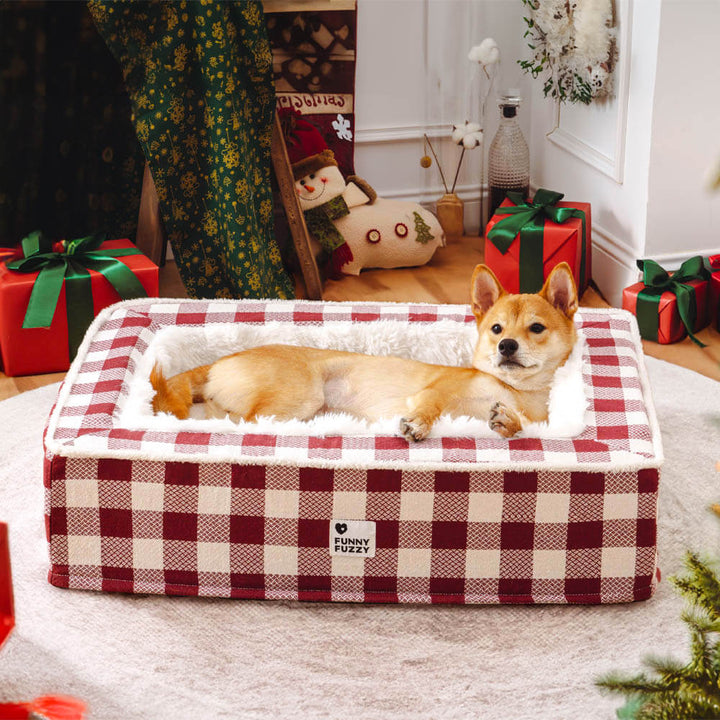
Beds: Choose an orthopedic or soft dog bed for your little dog.
Festliches, klassisches Schottenkaro, gemütliches Anti-Angst-Beruhigungsbett für Hunde
€50,95
Ergonomische Schaumstoffunterstützung Umgeben von einer stützenden Schaumstoffstruktur bietet dieses Bett Ihrem Haustier die wichtige Nackenstütze und sorgt für eine gute Haltung beim Ausruhen und Entspannen. Weiches Plüschfutter Zum Einkuscheln in kühlen Nächten haben wir die Innenseite mit einem superweichen Plüschmaterial… read more
Toys: Provide chew toys and interactive games to keep them mentally stimulated.
Training Pads: Use disposable pads for easy potty training.
Travel Accessories: A portable dog water bottle or dog car seat ensures safe and enjoyable outings.
Deluxe-Autositz-Sitzerhöhung für Hunde aus Kunstleder – Urban Voyager

€86,95
Ultimativer Schutz Der Autositz ist ausgestattet mit Verdickte Polsterung zur Reduzierung von Stößen während der Fahrt. Es ist wasserdicht, ölbeständig und antibakteriell. Verbesserte Sicherheitsfunktionen Sicherheit hat für uns oberste Priorität. Lässt sich in eine tragbare Transportbox für Haustiere verwandeln. Langlebig,… read more
FAQs
What are the disadvantages of Havanese?
They can develop separation anxiety and need regular grooming to prevent mats. Without consistent training, some may become clingy or bark frequently.
What two breeds make a Havanese?
The Havanese descends from the Spanish Tenerife dog and the Bichon Frise, both part of the Bichon family of companion dogs.
Is Havanese a good house dog?
Yes! Their small but sturdy bodies, adaptable nature, and gentle temperament make them ideal house dogs, especially for apartments and city living.
Why are Havanese dogs so expensive?
They are a rare native breed with limited reputable breeders. Their beautiful silky coat, charming personality, and popularity among families make them highly sought-after.
Conclusion
The Havanese is more than just a cute face—they’re loyal, smart, and full of love. Whether you live in a small apartment or a spacious home, this toy breed will bring joy, affection, and endless laughs to your life.