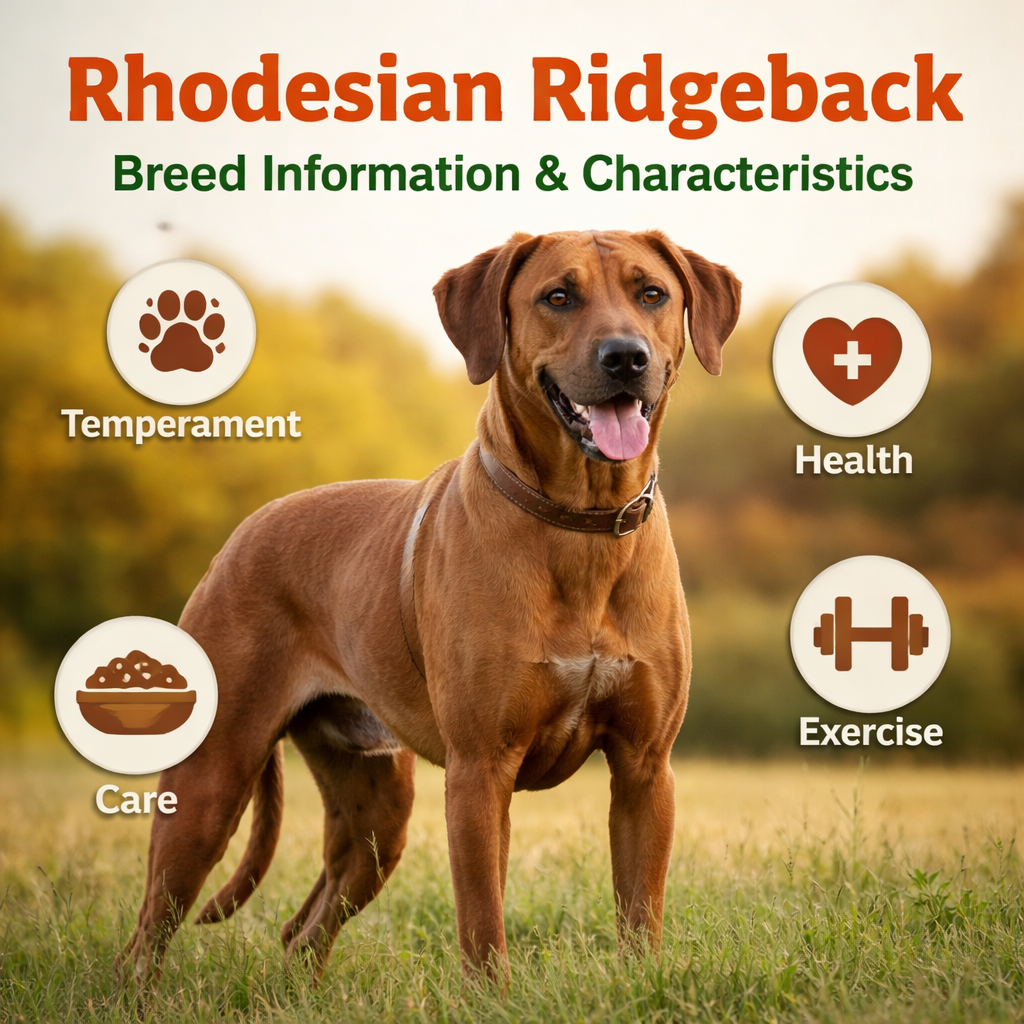








Many dog owners wonder what is considered a large dog, especially when choosing food, dog beds, or vet care. In simple terms, a large dog is usually defined by adult dog’s weight, height, and overall body size, not just how “big” they look. This guide will help you understand where your dog fits, why size matters, and how to care for a big dog properly.
Quick Answer: What Counts as a Large Dog in the US?
If you want a fast answer, here is a rule of thumb used by many US pet professionals:
-
Large dogs: about 50–100 pounds
-
Giant breeds: 100+ pounds
This range matches common guidance from the American Kennel Club, which lists many large dog breeds—like the German Shepherd, Golden Retriever, and Bernese Mountain Dog—within this weight group.
Dog Size Categories Explained
Dog size categories exist to help humans make better care decisions—not to label dogs. In the US, dogs are commonly grouped as small dog breeds, medium dog breeds, large breeds, and giant breeds, but the cutoffs depend on context.
According to veterinary guidelines from the American Animal Hospital Association (AAHA), care decisions should be based on life stage, body condition, and expected adult size, not just labels
A simple size breakdown many people use:
-
Small breeds: under ~25 pounds (example: Pug)
-
Medium size dogs: ~25–50 pounds
-
Large breed dogs: ~50–100 pounds
-
Giant breeds: 100+ pounds (example: Great Dane, Mastiff, Irish Wolfhound)
These categories matter because large and giant dogs grow differently, often have special care needs, and may face joint issues more often than their smaller counterparts.
Common Large Dog Breeds in the US
Many popular dog breeds in the US fall clearly into the large breed category. According to the American Kennel Club, common examples include
-
Golden Retriever
-
German Shepherd
-
Bernese Mountain Dog
-
Doberman Pinscher
Some breeds sit on the line between large and giant, such as the Great Dane or English Mastiff, which are often grouped with giant breeds due to their height and weight.
Health Issues of Large Dogs
Large dogs are more likely to face certain health issues simply because of their size and body structure. One of the most common problems is joint stress. Extra body weight puts more pressure on joints, which can increase the risk of hip dysplasia, elbow dysplasia, and arthritis as dogs age. Cornell University notes that hip dysplasia is especially common in many large and giant breeds and can lead to long-term pain and mobility problems.
Another major concern is weight gain. Large dogs can become overweight more easily than people expect, especially if treats and portions are not controlled. According to the American Animal Hospital Association (AAHA), excess weight is a leading factor that worsens joint disease and lowers overall quality of life
Large and giant breeds may also have shorter lifespans compared with smaller dogs. Academic research shows that bigger dogs tend to age faster due to how their bodies grow and repair tissue
Daily Care Needs of Large Dogs
Caring for a large dog requires daily habits that support their body and lifestyle. One of the most important needs is proper feeding. Large breed dogs benefit from diets designed to support bone and joint health and to help maintain a healthy weight. Veterinary nutrition guidelines stress that food choices should be based on body condition, age, and activity level—not just size
Large dogs also need enough space to move safely. Tight spaces, slippery floors, or poorly sized furniture increase the risk of falls and injuries. Dog beds with joint support, non-slip mats, and ramps or dog stairs can make a big difference, especially for older dogs.

Regular exercise is another daily requirement. Large dogs need consistent, moderate activity to stay fit without stressing their joints. The AAHA life stage guidelines recommend adjusting exercise based on age and health rather than pushing all dogs to the same level
Finally, large dogs often need more hands-on management. Lifting, grooming, transporting, and even vet visits require planning. Being prepared for these everyday tasks helps prevent injury to both dogs and humans.
Exercise Needs for Large Dogs
Exercise is essential for all dogs, but large breed dogs need the right type and amount of activity. Too little exercise can lead to fat gain, boredom, and behavior issues. Too much, especially at a young age, can stress bones and joints.
Most adult large dogs need regular exercise every day, usually 60–90 minutes, depending on the breed and energy level. For example, a German Shepherd or Bernese Mountain Dog often needs more activity than a Mastiff, which is calmer by nature. The goal is steady movement, not nonstop running.
According to the American Animal Hospital Association (AAHA), exercise plans should match the dog’s age, health, and body condition, not just size
Good exercise options include:
-
Daily walks
-
Controlled play sessions
-
Light jogging for healthy adults
-
Mental stimulation like puzzle toys and training tasks

Large-breed puppies should avoid long runs or jumping. Veterinary experts warn that overdoing exercise while growing can raise the risk of joint problems later in life.
Growth and Lifespan: What to Expect From Large Breed Dogs
Large dogs grow differently than small breeds or medium size dogs. Many large-breed pups grow fast during their first year, then continue filling out until 18–24 months. Because their bodies are heavier, managing growth is very important. Veterinary nutrition sources explain that rapid growth and excess calories can place stress on bones and joints, increasing the chance of arthritis later in life.
Lifespan differences
Research shows that large and giant breeds tend to have shorter lifespans than smaller dogs. A review published in Integrative and Comparative Biology found that bigger dogs often age faster due to how their bodies grow and repair themselves
For example:
-
Small breeds may live 14–16 years
-
Large dogs often live 10–13 years
-
Giant breeds like the Great Dane or Irish Wolfhound may live 7–10 years
Pros and Cons of Large Breed Dogs
Before choosing or caring for a large dog, it helps to understand both the benefits and challenges.
Pros of large dogs
-
Often loyal and affectionate companions
-
Many were originally bred to work with humans, making them smart and task-focused
-
Can feel protective and reassuring
-
Great outdoor partners for walking or hiking
Cons of large dogs
-
Higher cost for food, meds, and vet visits
-
Need more space at home or in an apartment
-
Harder to lift or carry during illness or injury
-
More prone to joint issues if overweight
According to AAHA, managing healthy weight is one of the most important actions owners can take to reduce health risks in large dogs
FAQs
What qualifies as a large breed dog?
In the US, a large breed dog is commonly defined as an adult dog weighing about 50–100 pounds. This range is widely referenced by the American Kennel Club and veterinary guidelines.
Is a 50 lb dog considered large?
Yes, a 50-pound dog is often considered large, especially if the dog is tall or has a big frame. Some people may call it “medium-large,” but for food, gear, and care needs, many treat it as a large dog.
Is a 70 lb dog a large dog?
Yes. A 70 lb dog clearly falls into the large dog category. Most vets, food brands, and preventive meds group dogs above 60 pounds as large breed dogs.
What is considered a large dog?
A dog is generally considered large if:
-
Its adult weight is 50 pounds or more
-
It needs large-size gear (beds, crates, harnesses)
-
Its breed is listed as large by organizations like the American Kennel Club
Conclusion
Understanding your dog’s weight, height, breed background, and life stage helps you make better choices about food, exercise, and overall care. When large dogs are kept at a healthy weight, given regular exercise, and supported with joint-friendly habits, they can live happy, active, and affectionate lives.